

Fitbit Models by Year: Which Ones Are Still Supported in 2026?
Here’s which Fitbit models still work, which ones Google has cut off, and what to replace an old one with- plus a safety recall you should know about.
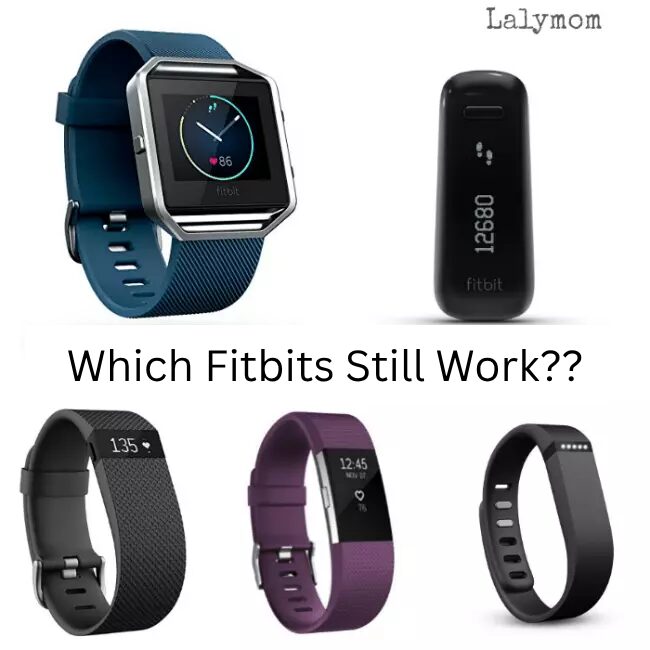
If you’ve had a Fitbit for a while, you’ve probably noticed some changes lately.
Google is folding things into a new app, some features are disappearing, maybe you are even wondering if your device still works at all. Here’s a full rundown of every Fitbit model, which ones are still supported, and what to replace an old one with if it’s time. One safety note first, since it matters most:
⚠️ Important Safety Notice: Fitbit Ionic Recall
If you own a Fitbit Ionic, stop using it immediately. In 2022, the Ionic was recalled nationwide after its battery was found to overheat. Fitbit stopped making the Ionic in 2020 and offered refunds as part of the recall. If you still have one, visit Fitbit’s official recall page to arrange a return. Do not buy or sell a used Ionic.
Jump to: What’s Changed · Current Models · Older Models By Year · Best Alternative by Model · Non-Fitbit Alternatives · Should You Upgrade · Accessories · FAQ
What’s Changed: Fitbit Is Becoming Google Health
If you’ve had a Fitbit for a while, you’ve probably noticed things shifting. Google is folding Fitbit into a new Google Health app, and as of July 15, 2026, older versions of the Fitbit app stopped working entirely. Everyone now needs a Google Account to log in, sync, and access their data. Along the way, some familiar features disappeared: Sleep Profile’s animal-based summaries, badges, and social features like groups and direct messages are gone. I do really miss the old app format, especially the sleep portion.
The good news: the hardware itself still works. Fitbit isn’t being killed off, but development has narrowed to fewer, more modern models, which is why so many older devices have quietly lost support.
Current Fitbit Models
Here is a rundown of current Fitbits still in use, a summary and a ballpark price, as of the day I published this. I am including partner shopping links to each available model in this post.
Check the product link for the latest fitbit sale prices, which tend to be universal no matter where you purchase them.
| Model | Best For | Price |
| Fitbit Inspire 3 | Budget-friendly, basic tracking | ~$99.95 |
| Fitbit Charge 6 | Best all-around fitness tracker | ~$159.95 |
| Fitbit Sense 2 | Most advanced health features | ~$299.95 |
| Fitbit Versa 4 | Smartwatch styling | Check current price |
| Fitbit Air | New screenless tracker (2026) | ~99.95 |
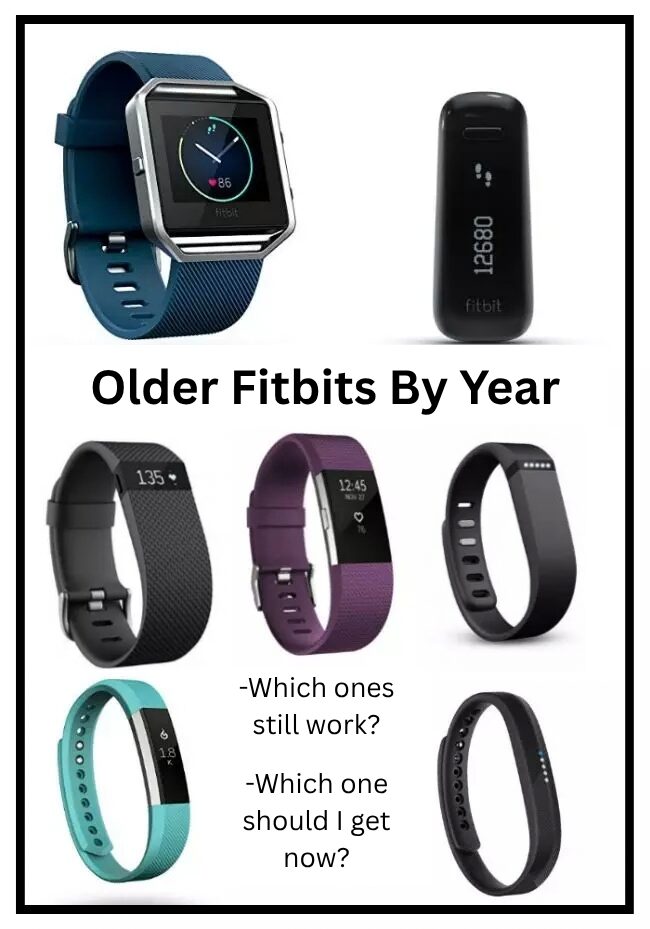
Older Fitbit Models By Year: Which Ones Still Work
Still Supported (Receiving Security Updates)
| Model | Released | Supported Until |
|---|---|---|
| Fitbit Versa 4 | 2022 | At least Feb 2028 |
| Fitbit Sense 2 | 2022 | Likely similar to Versa 4 — check current status |
| Fitbit Inspire 3 | 2022 | Current model |
| Fitbit Charge 6 | 2023 | Current model |
| Fitbit Air | 2026 | Current model |
No Longer Supported (Discontinued, No Updates)
What “no longer supported” actually means: These devices generally still count steps and sync basic data, but won’t get security patches, may lose app compatibility over time, and can’t access newer Google Health features. If yours still works for basic tracking, there’s no urgent need to replace it. Just don’t expect it to keep working indefinitely as Google continues shifting the backend.
| Model | Released | Support Ended |
|---|---|---|
| Fitbit One | 2012 | Sept 2019 |
| Fitbit Zip | 2012 | March 2021 |
| Fitbit Flex | 2013 | Aug 2019 |
| Fitbit Charge (original) | 2014 | July 2018 |
| Fitbit Charge HR | 2014 | Sept 2018 |
| Fitbit Surge | 2014 | Sept 2019 |
| Fitbit Blaze | 2016 | Oct 2020 |
| Fitbit Alta | 2016 | March 2021 |
| Fitbit Flex 2 | 2016 | March 2021 |
| Fitbit Charge 2 | 2016 | Date Not Listed, Unsupported |
| Fitbit Alta HR | 2017 | March 2021 |
| Fitbit Charge 3 | 2018 | Dec 2022 |
| Fitbit Versa (1st gen) | 2018 | Date Not Listed, Unsupported |
| Fitbit Versa Lite | 2019 | Date Not Listed, Unsupported |
| Fitbit Charge 4 | 2020 | March 2024 |
| Fitbit Versa 3 | 2020 | Dec 2025 |
| Fitbit Sense (1st gen) | 2020 | Likely same as Versa 3 |
| Fitbit Charge 5 | 2021 | Dec 2025 |
Recalled — stop using:
Fitbit Ionic (see safety notice above).
Best Alternative for Each Older Model
If your old Fitbit is on the unsupported list, here’s the modern equivalent worth looking at, based on what type of device you had:
| Your Old Model | Best Current Alternative | Why |
| Fitbit Zip, One (clip-on trackers) | Fitbit Inspire 3 | Fitbit no longer makes clip-on trackers. Inspire 3 is the closest simple, budget-friendly option, worn on the wrist instead. |
| Fitbit Flex, Flex 2, Alta, Alta HR (basic wristbands) | Fitbit Inspire 3 | Same lightweight, simple-tracker category, with heart rate now included standard. |
| Fitbit Charge, Charge HR, Charge 2, Charge 3 | Fitbit Charge 6 | Same product line, most direct upgrade. Better sensors, same familiar form factor. |
| Fitbit Blaze, Surge (early fitness smartwatches) | Fitbit Versa 4 | Closest match for a sportier smartwatch feel with more display features than the Charge line. |
| Fitbit Versa (1st gen), Versa Lite | Fitbit Versa 4 | Direct upgrade. Same core concept, several generations of improvements. |
| Fitbit Sense (1st gen) | Fitbit Sense 2 | Direct upgrade. The most advanced health sensors in the current lineup. |
| Fitbit Ionic (recalled! See safety notice above) | Fitbit Sense 2 or Versa 4 | Do not replace with another Ionic under any circumstances; these are the closest current smartwatch-tier options |
Not sure which category your old device fits?
Basic wristbands with no screen or a small dot-matrix display is closest to the Inspire or the new screenless Fitbit Air.
Anything with a bigger touchscreen and smartwatch features leans more to Versa 4 or Sense 2, depending on how many health-tracking features you want. Versa 4 has fewer, Sense 2 has the most.
Non-Fitbit Alternatives (If You Want to Switch Brands Entirely)
Ready to make the switch? Before you go for it, just a note: switching brands might mean starting your activity history over. Fitness trackers don’t always transfer your years of step/sleep data between platforms. If you’ve been tracking with Fitbit for years and that history matters to you, consider that when weighing against switching.
Moving to Apple Health / Apple Watch: You can use specialized sync utilities like myFitnessSync to export and bring your Fitbit history over.
Moving to Garmin: Garmin allows limited historical data imports (like steps, weight, and sleep) through specific data import features in Garmin Support.
If you’re ready to move away from Fitbit, here’s how the main competitors compare:
| Brand | Best For | Price |
| Apple Watch SE 3 | iPhone users who want a full smartwatch | ~$249+ |
| Samsung Galaxy Fit 3 | Budget-friendly, Android/Samsung users | ~$60 |
| Samsung Galaxy Watch 7 | Full smartwatch experience for Samsung phones | ~$249 |
| Garmin Vivosmart 5 | Simple band-style tracker, strong battery life | ~$149 |
| Garmin CIRQA | Screenless, no subscription, Whoop-style tracking | ~$199.99 |
| Oura Ring 5 | Best for sleep and recovery tracking, ring form factor | ~$399 |
| Whoop 5.0 | Serious athletes wanting deep recovery/strain data | ~$239 + monthly fee |
Quick picks by what you’re looking for:
- Want something simple and cheap, similar to a basic Fitbit: Samsung Galaxy Fit 3
- Want a full smartwatch with fitness tracking: Apple Watch SE 3 (iPhone) or Samsung Galaxy Watch 7 (Android)
- Want to track sleep/recovery without wearing anything on your wrist: Oura Ring 5
- Want Whoop-style all-day tracking without a subscription: Garmin CIRQA
- Willing to pay a monthly fee for the deepest recovery data: Whoop 5.0
Should You Upgrade?
If your old Fitbit still syncs reliably and does what you need, there’s no rush. If you fit into the situations below, consider a newer model:
- Your device is on the unsupported list above and has started having sync issues
- You want features tied to Google Health’s newer AI-driven insights
- Your band/accessories are getting hard to find (a real issue with very old models — see below)
Fitbit Accessories for Older Models
If you’re holding onto an older Fitbit, replacement bands can get harder to find as models age out. Check to see if Official Fitbit Accessories are available for yours, or you can seek out 3rd party fitbit accessories. It’s worth checking before your only band wears out:
- Must-have Fitbit Accessories for Any Budget
- Fitbit Versa Accessories
- Fitbit Flex 2 Accessories
- Fitbit Blaze Accessories
- Fitbit Repacement Bands & Accessories
FAQ
Is Fitbit being discontinued?
No — Fitbit hardware is still being made and sold, but the brand is increasingly merging into Google Health, and development has narrowed to fewer models than in Fitbit’s earlier years.
Will my old Fitbit stop working?
Devices from 2019 or later are generally still supported. Older models will keep basic functions like step counting, but won’t receive updates or full app support.
What happened to the Fitbit app?
It’s being replaced by Google Health. As of July 15, 2026, older app versions stopped working, and everyone now needs a Google Account to use Fitbit devices.
Is the Fitbit Ionic safe to use?
No. It was recalled in 2022 due to a battery burn hazard. If you own one, stop using it and contact Fitbit about the recall.
What’s the newest Fitbit model?
The Fitbit Air, a screenless tracker announced in 2026, alongside the Charge 6, Inspire 3, Sense 2, and Versa 4 as the current core lineup.
Pin to share and save:



15 Comments
Comments are closed.